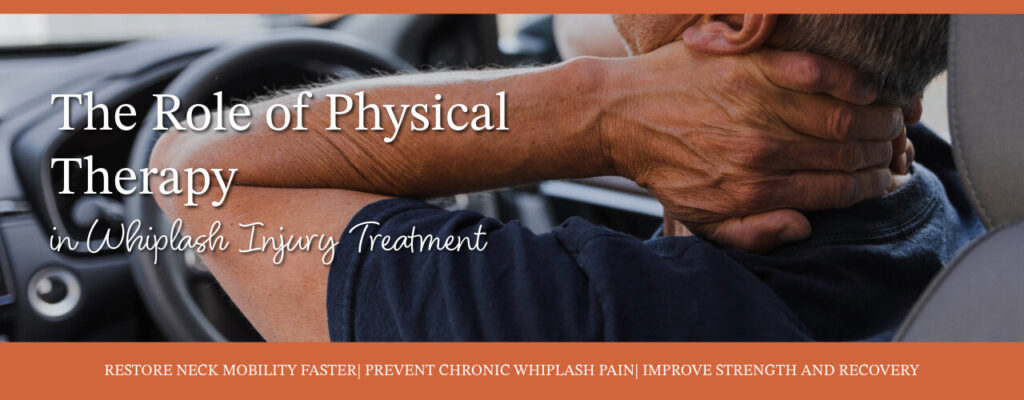
Whiplash injuries often occur after car accidents, falls, or sudden impacts that jerk the head back and forth. While some cases resolve on their own, many lead to lingering neck pain, stiffness, and headaches that interfere with daily life. That’s why physical therapy plays a critical role in effective whiplash injury treatment.
Unfortunately, there are many misconceptions about how these injuries should be treated. Misinformation can delay care and make symptoms worse. Today, we’re breaking down some of the most common myths about whiplash injury treatment and replacing them with the facts you need to know.
Common Whiplash Myths
Myth 1: Whiplash is Not a Serious Injury
Fact: Whiplash may seem minor at first, but its effects can last for weeks or even months if not properly addressed. Damage to muscles, ligaments, and joints in the neck may not show up on imaging, but these soft tissue injuries can cause significant dysfunction and pain.
Physical therapy helps restore normal movement, reduce pain, and prevent long-term complications like chronic neck stiffness or headaches. Early treatment can make a noticeable difference in both comfort and recovery time.
Myth 2: Rest is the Best Treatment for Whiplash
Fact: While short-term rest can help with initial pain, too much inactivity can delay healing and lead to muscle weakness and stiffness. Prolonged rest may also increase your sensitivity to pain and reduce your tolerance for movement.
Physical therapy treats whiplash injuries by focusing on gentle, guided movement to encourage healing. Active care, including posture correction and progressive mobility exercises, helps improve function and reduces the risk of chronic symptoms.
Myth 3: If Pain Starts Days After the Injury, It Isn’t Whiplash
Fact: Symptoms from whiplash often develop hours or days after the incident. This delay can lead patients to underestimate the seriousness of the injury or dismiss physical therapy as unnecessary.
Even if discomfort begins later, whiplash injury treatment is still beneficial. A physical therapist can assess range of motion, muscle tension, and joint function to determine the best course of care and address symptoms before they worsen.
Myth 4: Physical Therapy Is Only for Severe Cases
Fact: You don’t need to be in extreme pain to benefit from physical therapy. Mild to moderate whiplash can still cause alignment issues, muscle imbalances, and movement restrictions that affect your daily life.
Physical therapy offers individualized care plans for treating whiplash injuries that match the severity of your symptoms. These may include manual therapy, posture training, targeted exercises, and strategies to improve function and reduce discomfort, no matter the intensity of your pain.
Myth 5: If Imaging Shows No Damage, You Don’t Need Treatment
Fact: Whiplash injuries often involve soft tissues that do not appear on X-rays or MRI scans. A normal image does not rule out dysfunction in the muscles, ligaments, or joints that control neck movement.
Physical therapists are trained to detect movement impairments, tension, and weakness even when imaging appears normal. Skipping care because of a clean scan can delay your recovery and increase the risk of chronic issues.
Why Physical Therapy Is a Key Part of Whiplash Injury Treatment
A well-rounded whiplash injury treatment plan includes more than rest and medication. Physical therapy addresses the mechanical and functional deficits that result from the injury. By focusing on posture, movement quality, strength, and mobility, physical therapists help patients feel better, move more confidently, and prevent flare-ups.
At Gulf Shore Physical Therapy Center, our team designs care plans based on each patient’s needs and activity level. Whether your goal is to reduce pain, get back to work, or feel safe behind the wheel again, we are here to help you heal with precision and care.
Reclaim Comfort and Control After Whiplash
Whiplash injuries may not always seem urgent, but their effects can interfere with your life if left untreated. Instead of relying on rest alone or waiting for symptoms to pass, take control of your recovery with a proactive and proven approach.
Contact Gulf Shore Physical Therapy Center today to schedule your personalized evaluation. Our physical therapists will guide you through every phase of recovery, from relieving discomfort to restoring full neck function.
Tags: Neck Pain Relief, Spinal Health, injury rehab, whiplash recovery