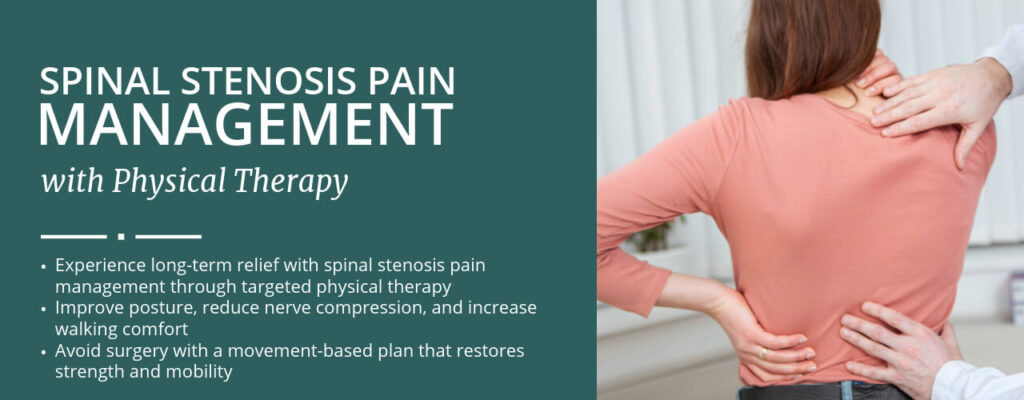
Spinal stenosis is a condition where the spaces within your spine narrow, which can place pressure on the nerves traveling through the spine. It can lead to back or neck pain, leg or arm weakness, and reduced mobility. While medication or injections may offer short-term relief, many individuals find long-term benefits through movement-based care. Physical therapy offers proven strategies for spinal stenosis pain management, focusing on restoring function and improving quality of life without surgery.
At Gulf Shore Physical Therapy Center, our licensed physical therapists work with patients to develop safe, effective treatment plans tailored to their condition and activity level. Below, we answer some of the most common questions about managing spinal stenosis with physical therapy.
Frequent Asked Questions about Spinal Stenosis
What are the most common symptoms of spinal stenosis?
Patients with spinal stenosis often report:
- Pain in the lower back or neck
- Numbness or tingling in the limbs
- Weakness in the legs or arms
- Difficulty walking long distances
- Relief when bending forward or sitting
These symptoms may develop gradually and often worsen with activity. In some cases, they can interfere with daily tasks like walking, standing, or lifting.
Can physical therapy actually help with spinal stenosis pain management?
Yes, physical therapy is considered a first-line approach for spinal stenosis pain management. Therapy focuses on reducing nerve irritation, improving spinal alignment, strengthening supportive muscles, and enhancing mobility. Rather than masking pain, it addresses the underlying movement issues that often contribute to flare-ups or worsening symptoms.
What does a typical treatment plan include?
Every plan is personalized, but most spinal stenosis care programs include:
- Postural training to relieve pressure on the spinal canal
- Core and hip strengthening to support the spine
- Gentle stretching to improve spinal mobility
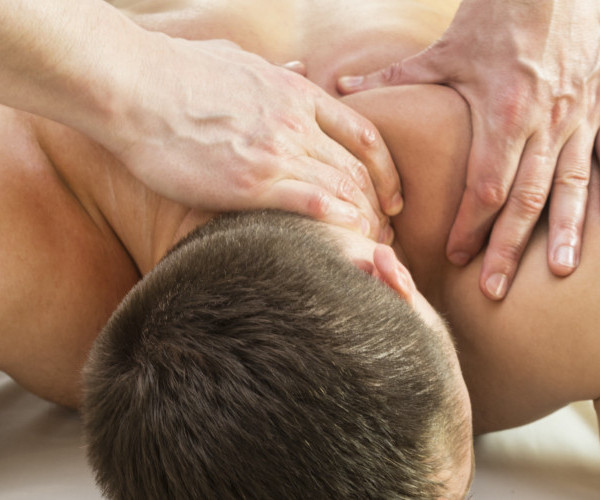
- Manual therapy to ease stiffness and muscle tension
- Gait and balance training to improve walking stability
Education is also a key part of treatment. Patients are taught how to avoid aggravating positions and how to modify their movement during everyday tasks.
How long does it take to see results?
Results vary depending on the severity of the condition and consistency with the plan. Many patients begin noticing improvements in mobility, pain levels, or endurance within a few weeks of starting therapy. Long-term benefits often continue to build over several months with regular sessions and adherence to a home program.
Will physical therapy eliminate the need for surgery?
In some cases, yes. Physical therapy can be highly effective for spinal stenosis pain management, particularly for patients with mild to moderate symptoms. While surgery may still be necessary for more advanced cases, many patients are able to delay or avoid it altogether through regular movement-based care. Physical therapy also helps prepare the body if surgery becomes necessary later on, often improving recovery outcomes.
How does physical therapy support spinal stenosis pain management?
Physical therapists are movement specialists. When it comes to spinal stenosis pain management, therapy provides several specific benefits, including:
- Reduced nerve compression through improved posture
- Better load distribution with stronger trunk and hip muscles
- Increased flexibility in the spine and hips
- Improved walking patterns and endurance
- Lower risk of falling due to better balance
The treatment is progressive, starting with comfortable, gentle movements and gradually building toward functional tasks.
What activities should I avoid if I have spinal stenosis?
Activities that place excessive extension pressure on the spine, such as prolonged standing, overhead lifting, or backward bending, may worsen symptoms. Your physical therapist will guide you on how to perform everyday movements in a safer way and help you avoid positions that increase discomfort.
Do I need a referral to begin therapy for spinal stenosis?
Depending on your insurance and state regulations, you may not need a referral to begin care. Gulf Shore Physical Therapy Center can help you determine whether a physician referral is necessary and assist with any insurance-related questions.
Take the First Step Toward Lasting Relief
Managing spinal stenosis is not just about reducing pain. It is about reclaiming your ability to move, walk, and participate in daily activities with confidence. With a tailored physical therapy program at Gulf Shore Physical Therapy Center, you can take control of your symptoms and build a stronger, more resilient spine.
If you are living with back pain, leg weakness, or reduced mobility from spinal stenosis, contact Gulf Shore Physical Therapy Center today. Our team is ready to support your recovery with personalized, evidence-based care.
Tags: Spinal Health, mobility training, nerve compression, Back Pain Relief